

Why the Wire Surface Matters
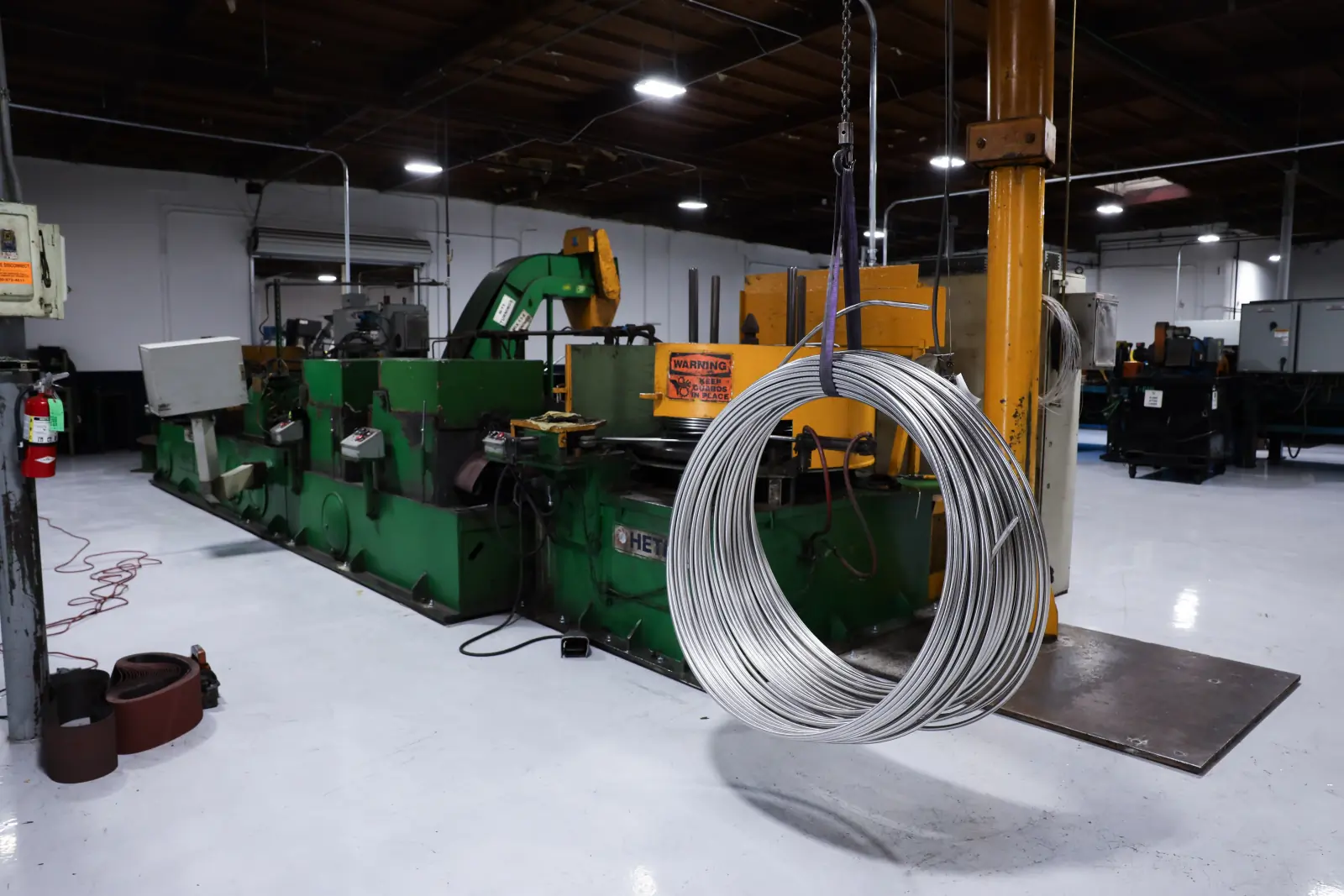
Have you ever counted how many companies touch a fastener before it exists? A melt shop makes the material, a conversion mill draws it into coil or bar, and a fastener manufacturer runs it through headers and tooling to form the finished part. Different engineers, different quality systems, and one continuous surface running through all of it.
One of the secrets to success is the surface condition of the wire or bar. That surface carries the coating, and the coating decides more than a purchase order line suggests. It governs how the wire behaves in a drawing die and again in a cold header, which makes it one of the larger levers on tool life, surface quality, and whether a job runs the same on Tuesday as it did on Monday.
The shared surface is also why coating behavior can be hard to trace. Something that appears during final forming might originate at the header, or it might have been set several operations upstream.
The science of tribology
There is a field for this.
The name sounds academic and the effect is immediate. It governs what happens in the fraction of a second when metal is forced through an opening smaller than itself.
Several variables meet at that moment.
-
Alloy behavior. How fast the metal work-hardens, how well it moves heat away from the contact, and how readily it cold-welds to tooling.
-
Input surface. The condition of the incoming wire, including residual scale, laps, and seams carried over from the wire or bar manufacturing mill.
-
Carrier and lubricant. The base layer that stays put, and the lubricant riding on top of it.
-
Tooling. Die material and grade, draft angle, bearing length, and surface finish.
-
Process parameters. Reduction per pass, number of passes, intermediate anneals, speed, and the heat that rises with it.
-
Downstream forming. Cold heading is a second severe deformation, and the coating on the wire is its lubricant.
Shift one variable and the others move with it. Understanding the impact of the coating on the wire is an engineering differentiator, and it is why two suppliers can build to the same print and provide material that behaves differently in your machine.
Why high temperature alloys ask more
How much the coating matters depends on what you are running. A286, Inconel 718, and Waspaloy ask more of a coating than most metals do, for three reasons.
-
They work-harden rapidly, so every pass leaves the material harder than the last one found it.
-
They conduct heat poorly, so frictional energy concentrates at the tool face instead of dissipating.
-
They cold-weld readily to tungsten carbide once the protective oxide shears away.
Together those produce galling. The wire surface tears, the torn metal welds onto the die or the punch, and the tool scores every foot that follows. Any producer working these alloys knows this. What separates suppliers is the technical expertise in managing the coatings that prevent it.
The coating toolkit
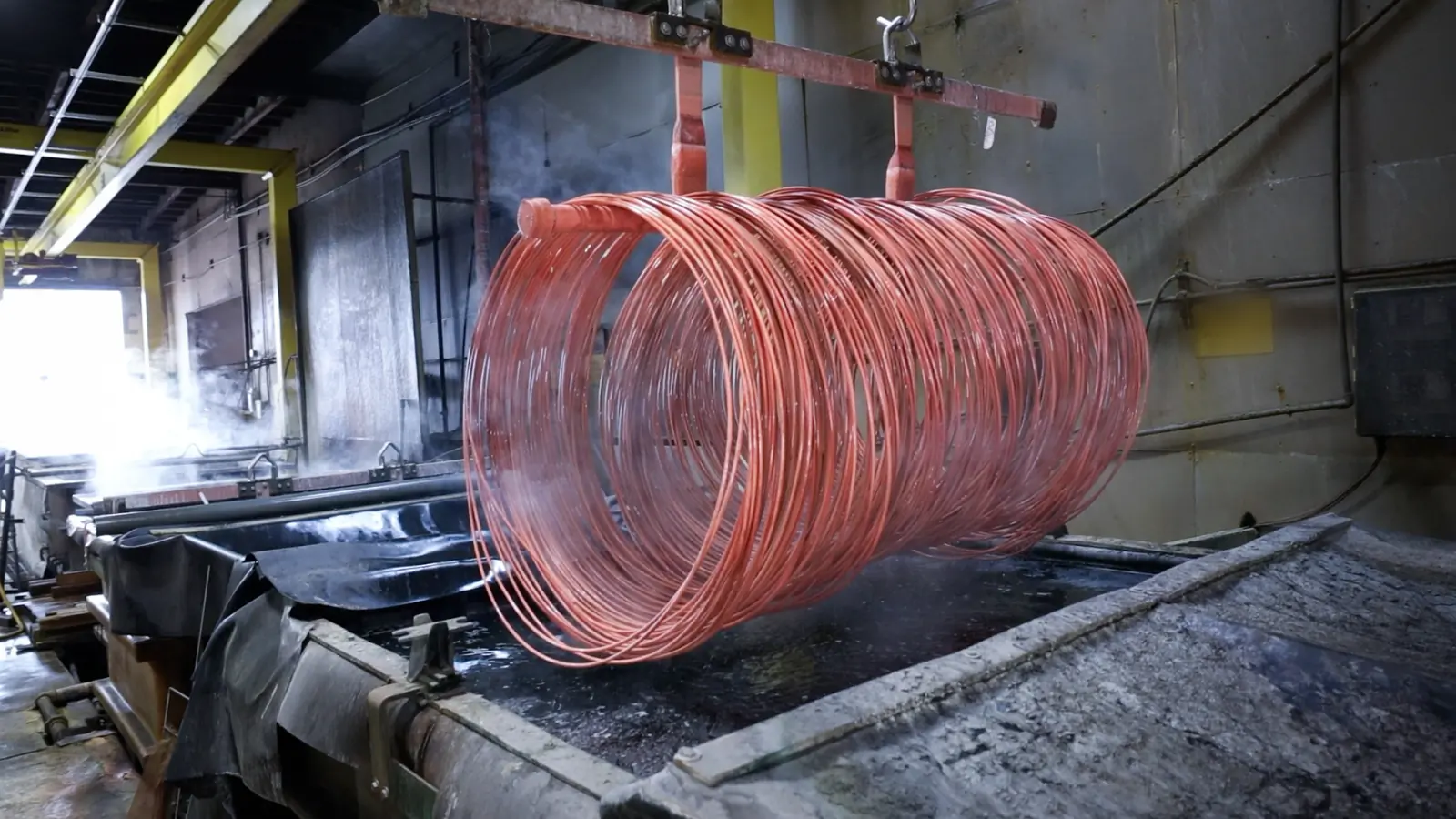
Copper has been the standard on stainless and nickel wire since at least the early 1940s. A patent filed in 1945 describes copper on stainless as a drawing lubricant and calls the practice long recognized even then. It works because it is soft and ductile relative to the base alloy, so it stretches through the die instead of cracking. It will not cold-weld to carbide, and it carries soap where the soap is needed. Brittle conversion coatings crack under elongation, and a crack is bare metal.
Copper serves as a temporary lubricant for the customer’s cold heading operation rather than becoming part of the finished fastener, so it comes off after forming. ASTM A493 describes the standard configuration, lubricant applied over the coating during the final drafting operation, generally soap. The copper holds and the soap slides.
Where the alloy and the reduction allow it, other carriers do the job.
-
Soap. Works on its own, without a metal layer underneath.
-
Lime. Long established and inexpensive, though brittle enough to reach its limit under heavy elongation.
-
Wax. Lighter films, easier forming, and protection in transit.
-
Miraflex. Our proprietary soap coating process, engineered as a copper substitute for compatible jobs.
None of these is the right answer everywhere. The fit depends on the alloy, the reduction, the geometry of the part, and what happens to the wire after it leaves us. This is where manufacturing know how and technical experience become critical.
Where coating quality comes from
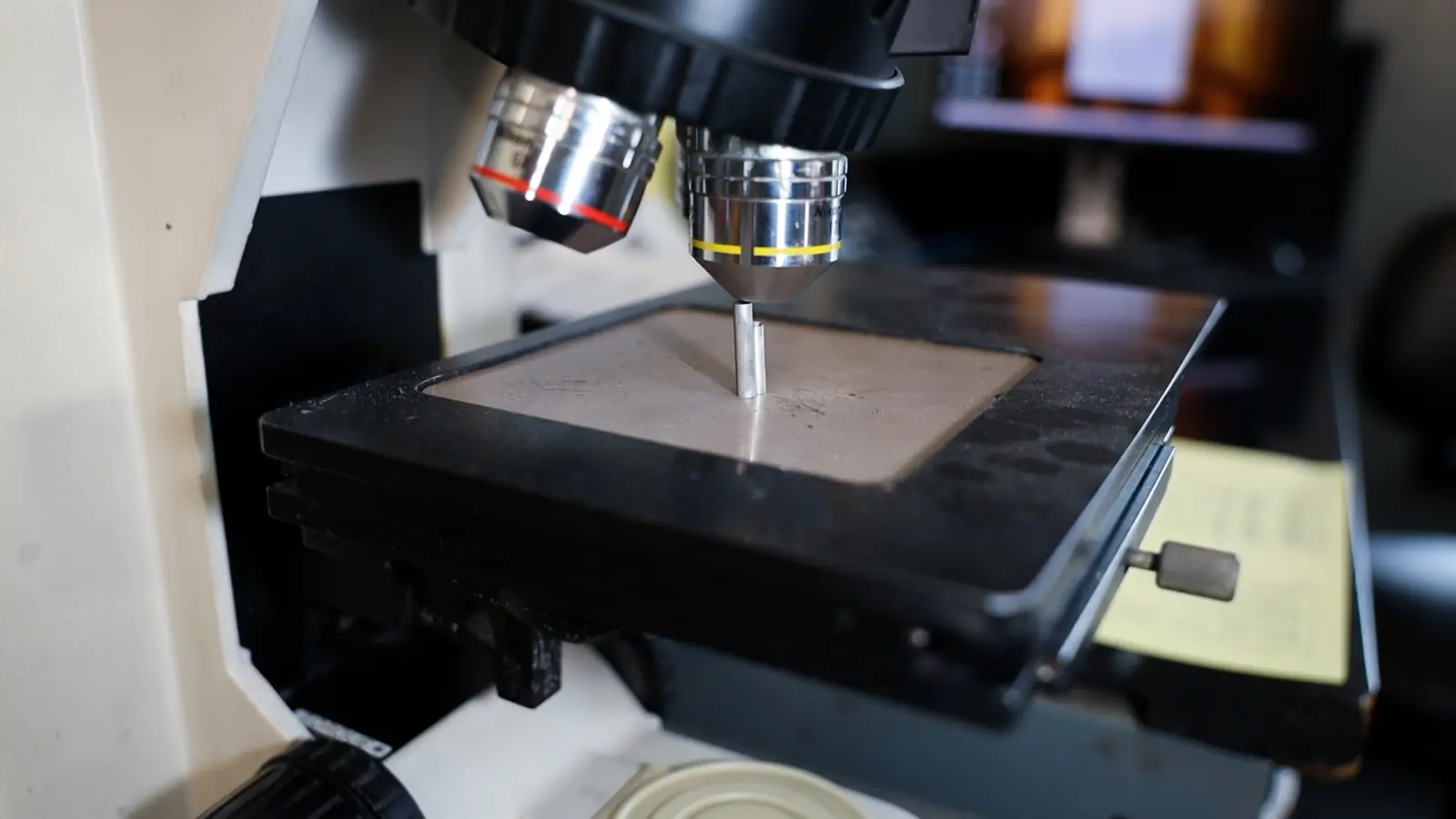
Whichever carrier a job calls for, the quality of the result comes down to control.
-
Surface preparation. Stainless carries a passive chromium oxide film roughly 30 to 50 angstroms thick. That film is why stainless does not rust, and it is also why very little wants to bond to it. The wire has to be activated and coated before the oxide re-forms.
-
Thickness and uniformity. Specifications typically call for .0001 to .0003 inch. Holding that on average is the easy part, and holding it everywhere is the real work. A thin spot allows base metal contact and galling. Heavy spots impact the finished diameter and contribute to flaking. Flaking is usually caused by bad surface preparation prior to coating and can occur on thick or thin coatings alike.
-
Adhesion and bath chemistry. Bond strength follows from preparation, and the deposit follows from bath control, meaning concentration, temperature, current density, contamination, and dwell time, all held to a solution analysis schedule.
-
What sits underneath. A perfect coating over residual scale or an inherited defect is still a perfect coating on bad wire.
-
Consistency. Material that runs better usually just runs the same. A uniform coating from one lot to the next is what keeps a header from being retuned and parts from being scrapped at every changeover.
STS Metals:
Brown Pacific and Brown Europe
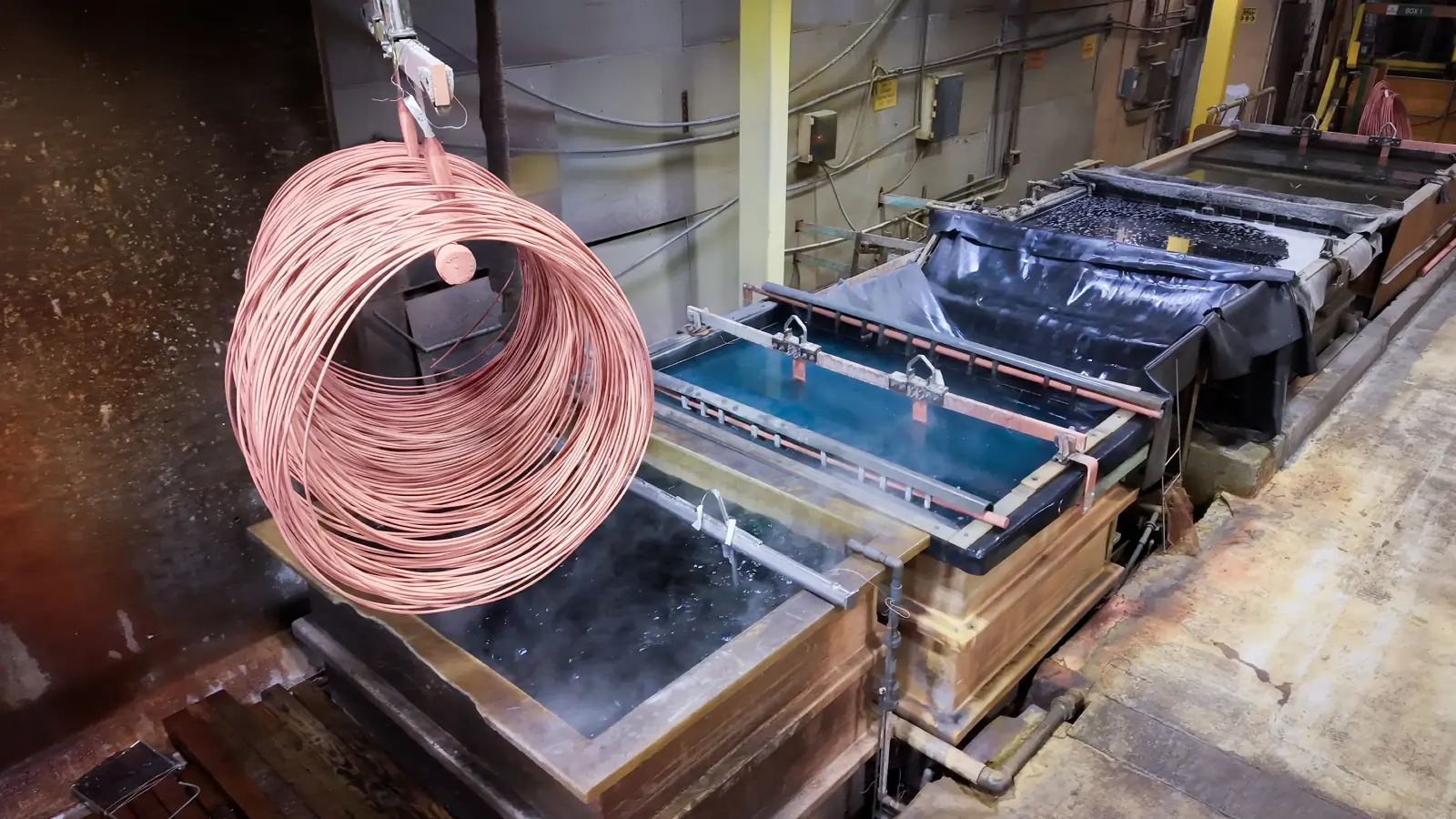


Brown Pacific in Santa Fe Springs, California and Brown Europe in Brive, France have drawn wire and small diameter bar for the aerospace fastener industry for decades. Both operations run drawing, shaving, chemical milling, coating, heat treating, annealing, descaling, pickling, and straightening in house, and both run the full range of carriers, including our own. The conversation starts with what the fastener requires.
The engineers who choose the coating are the same people overseeing the process, and that is where the consistency and reliability the aerospace industry expects comes from.
Coating behavior shows up in production as tool wear, scrap rates, surface condition, and setup time. If your wire runs consistently and meets your customer’s requirements lot after lot, it is worth understanding why. That understanding provides peace of mind and repeatability in high volume fastener production.
If you are working through a coating question on a specific alloy or reduction, we are glad to talk it through. Reach out at stsmetals.com to speak directly with our process engineering team.
Built on Trust, Delivered with Integrity.
Our Other Articles
Getting the Starting Size Right
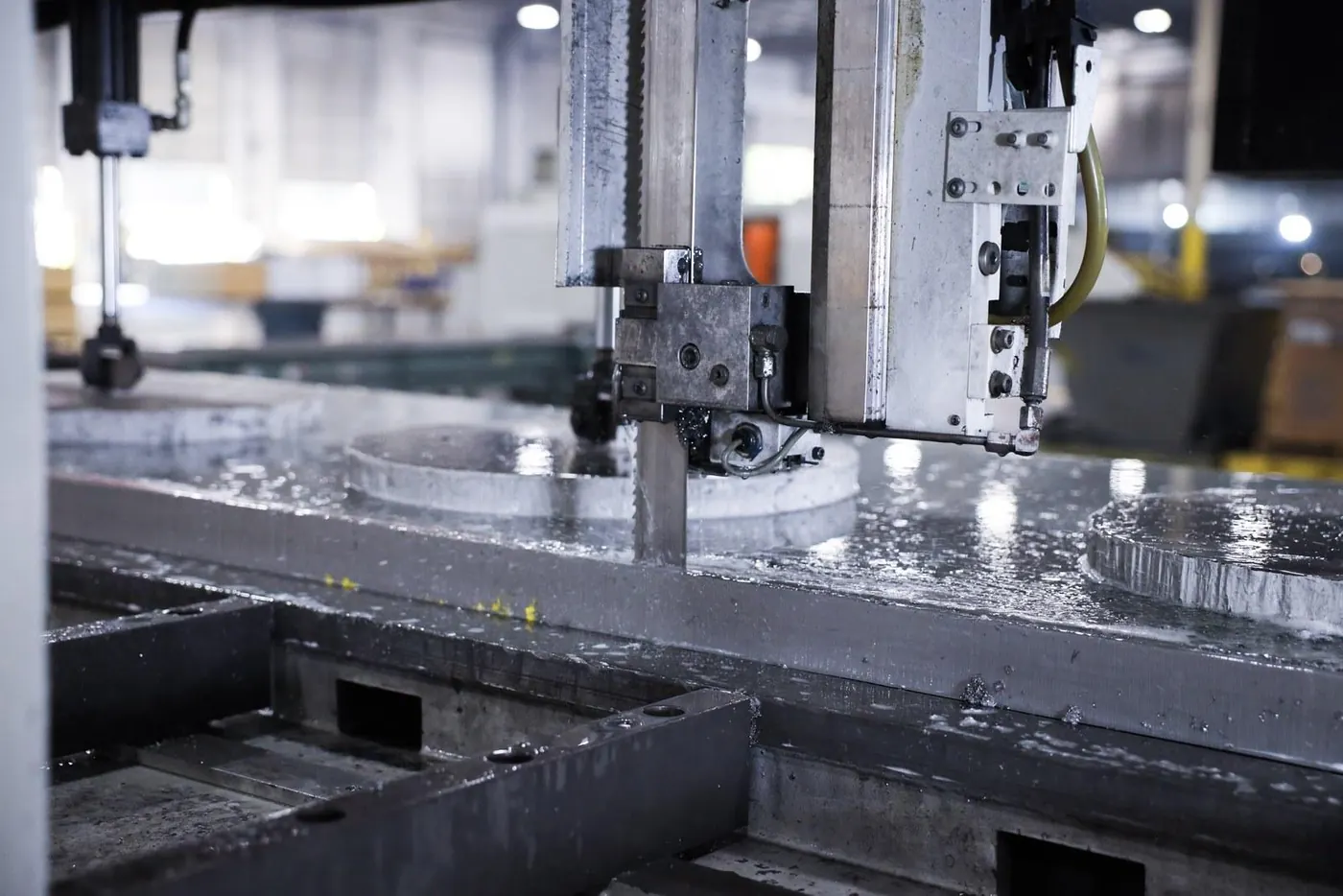
Buy twenty pounds, fly one. On aerospace structural work, the ratio of what gets bought to what ends up flying commonly runs near ten to one, and on complicated parts it reaches twenty to one.
Read MoreWhat Engine Programs Are Waiting On
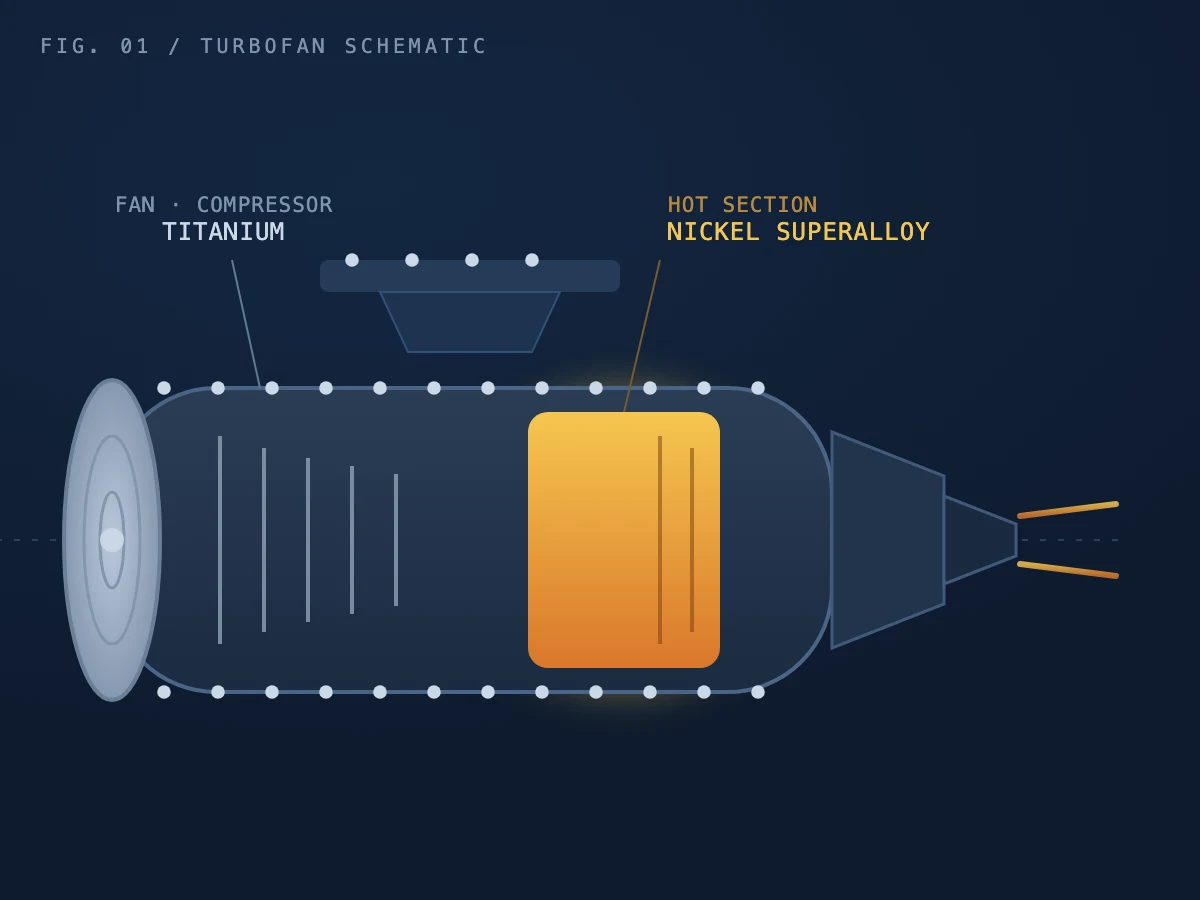
In aerospace and defense, the engine is usually the part everyone is waiting on. Here is what goes into it, and why the schedule is the hard part.
Read More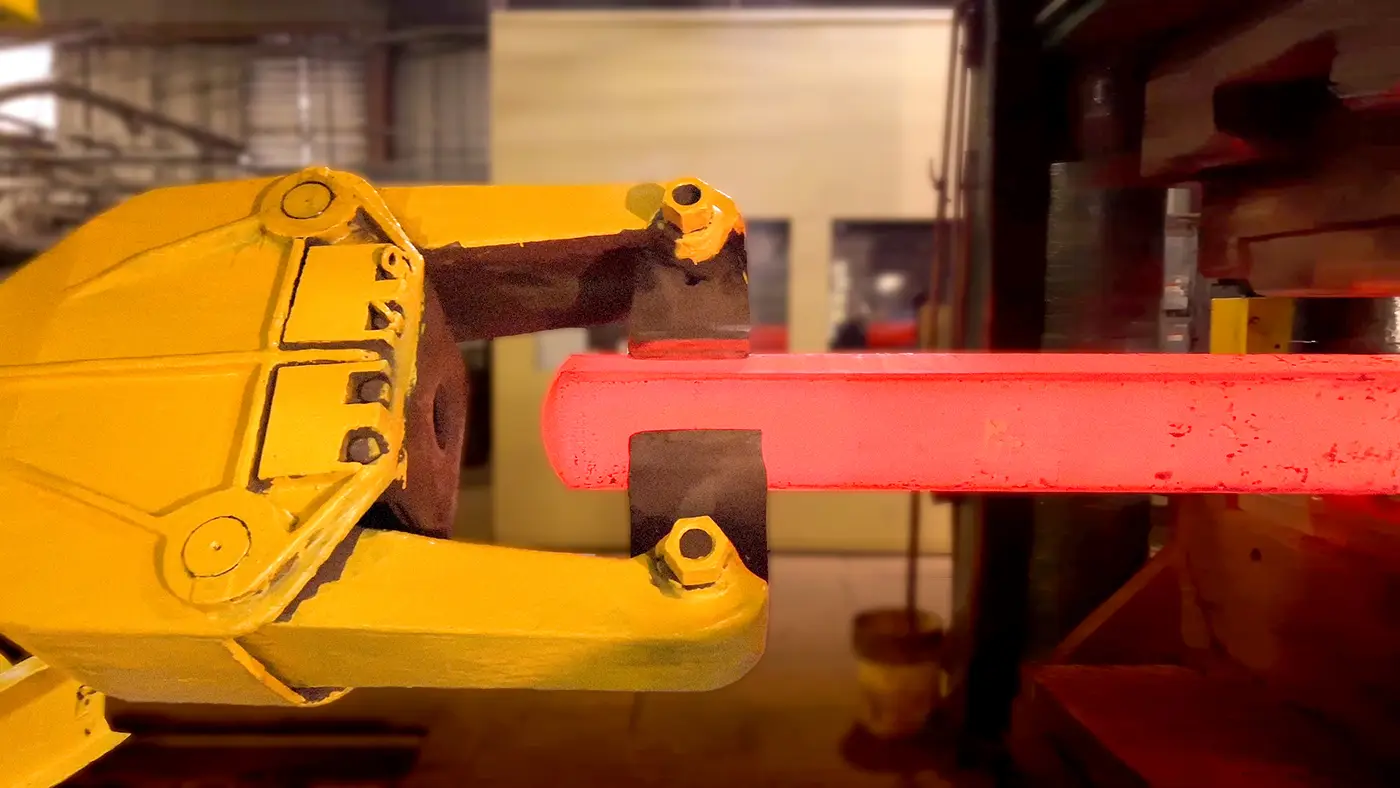
Large OEMs Extend Long-Term Agreements with Manufacturers
In September 2025, STS Metals and Boeing announced an extended long-term supply agreement covering titanium rod, bar, and plate. That kind of agreement doesn't happen by accident.
Read More