


Large OEMs Extend Long-Term Agreements with Manufacturers
In September 2025, STS Metals and Boeing announced an extended long-term supply agreement covering titanium rod, bar, and plate in support of Boeing’s commercial airplane programs. That kind of agreement doesn’t happen by accident. It doesn’t happen simply because you have the lowest price. Agreements at this scale require demonstrated manufacturing control, process traceability, and the capacity to support production ramp-ups that are already underway.
The 737 MAX alone has nearly 5,000 unfilled orders, and the airframes themselves are growing more titanium-intensive with each generation. The 747 carried roughly 4 percent titanium by structural weight, the 777 about 7 percent, and the 787 reaches 15 percent because a mostly-composite airframe needs titanium in the places aluminum can no longer go. The 777X now in certification carries more than the 777 it replaces. Demand is climbing on order volume and titanium per aircraft simultaneously.
Titanium in Aerospace
Boeing's Expanded Use of Titanium
As Boeing's airframes turned to carbon-fiber composite, the titanium in each aircraft climbed with it. Four generations, measured by share of structural weight.
Scroll to climb
Boeing 747
An aluminum airframe. Titanium lives mostly in the engines.

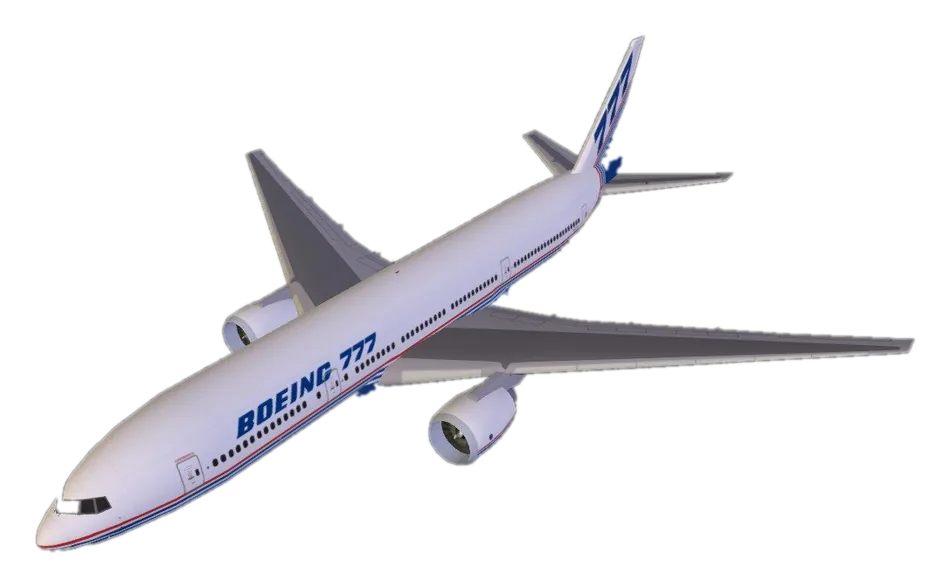
Boeing 777
Composites reach the primary structure and titanium content rises.
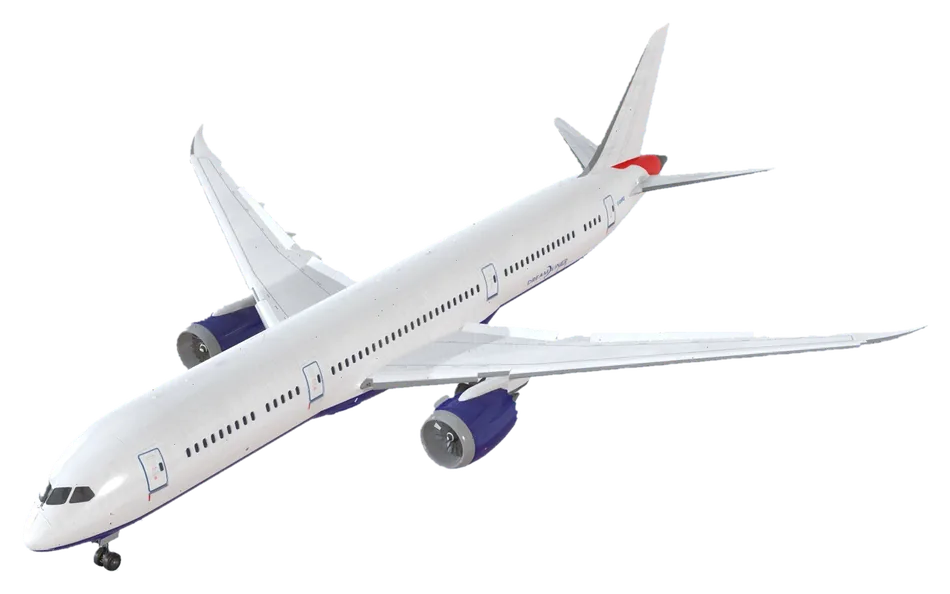
Boeing 787 Dreamliner
About half the airframe is carbon-fiber composite, and titanium reaches 15 percent.
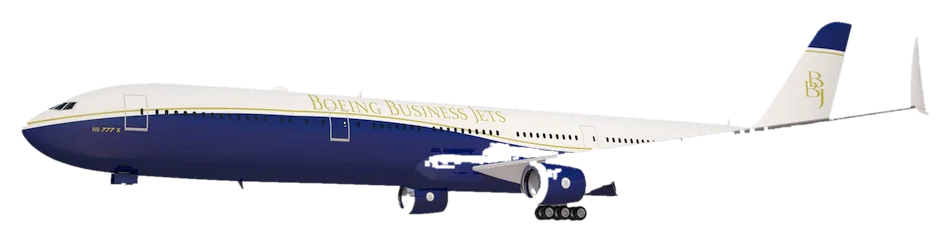
Boeing 777X
More titanium than the 777 it replaces. The climb continues.
More composite means more titanium.
Titanium and carbon fiber expand at similar rates and do not corrode against each other the way aluminum does. So as airframes turned to composite, titanium climbed right along with them.
Titanium content by structural weight, per published aerospace market data; figures rounded. The 777X is shown as the forthcoming generation, currently in flight certification.
Our Other Articles
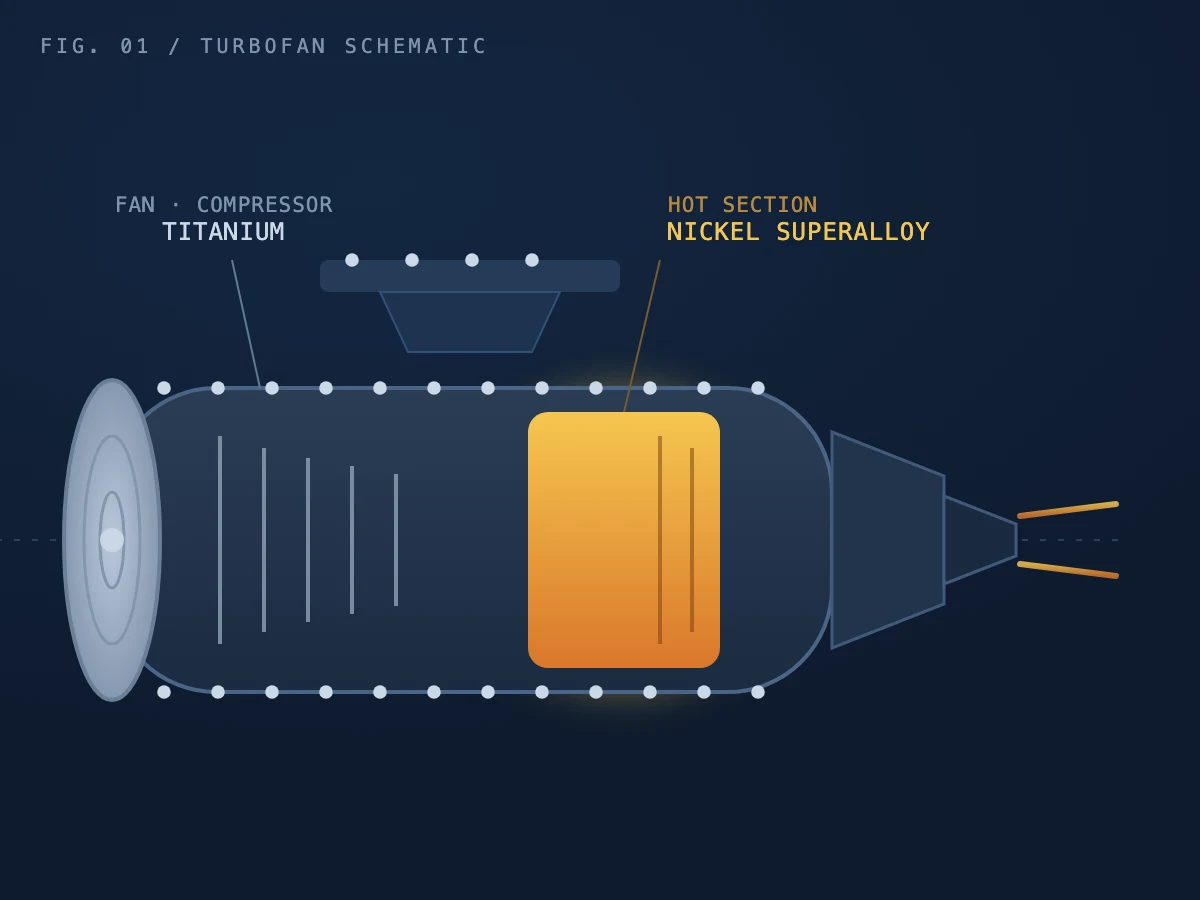
What Engine Programs Are Waiting On
In aerospace and defense, the engine is usually the part everyone is waiting on. Here is what goes into it, and why the schedule is the hard part.
Read More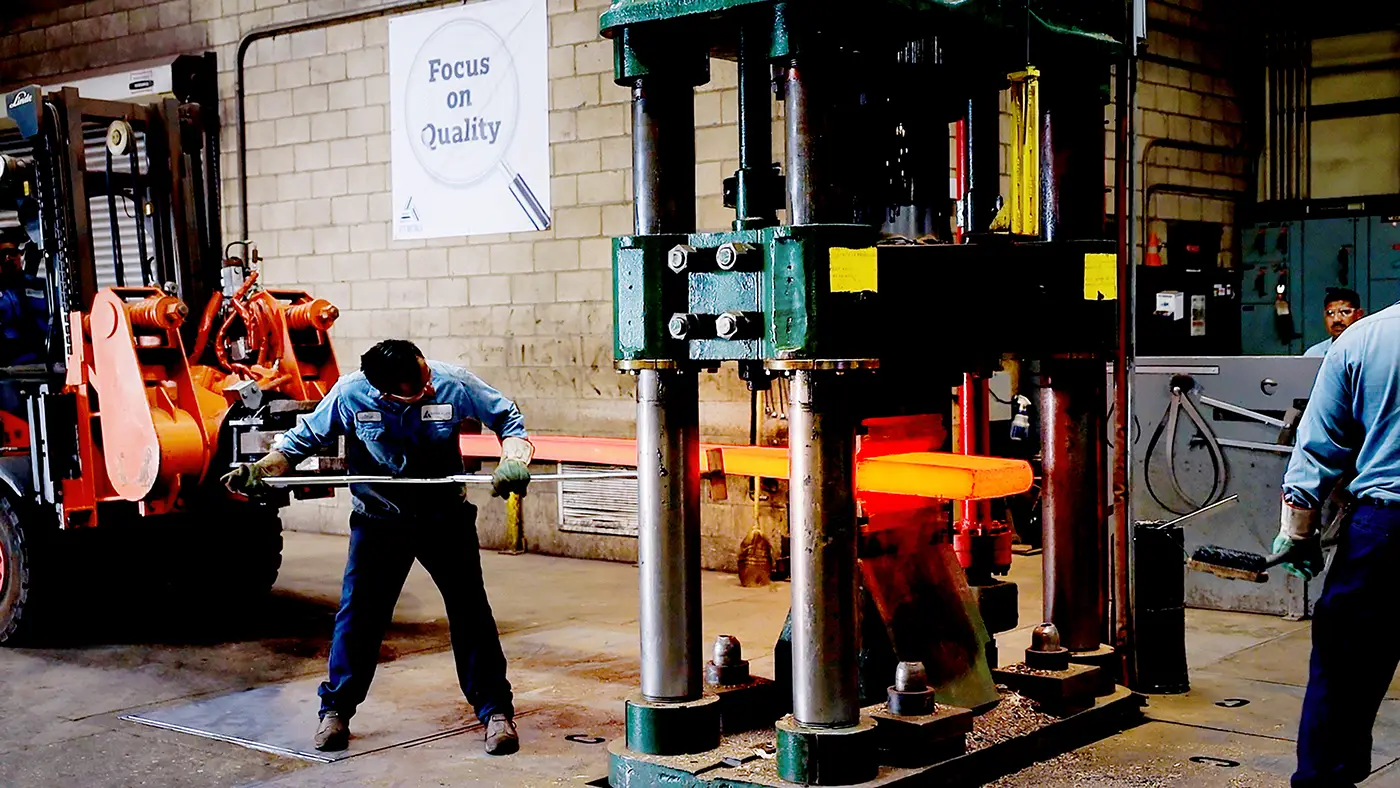
The Real Cost of Late Deliveries in Aerospace Manufacturing
Aerospace procurement teams are working against a backlog that does not allow for missed deliveries. Boeing's 737 MAX has nearly 5,000 unfilled orders as of…
Read More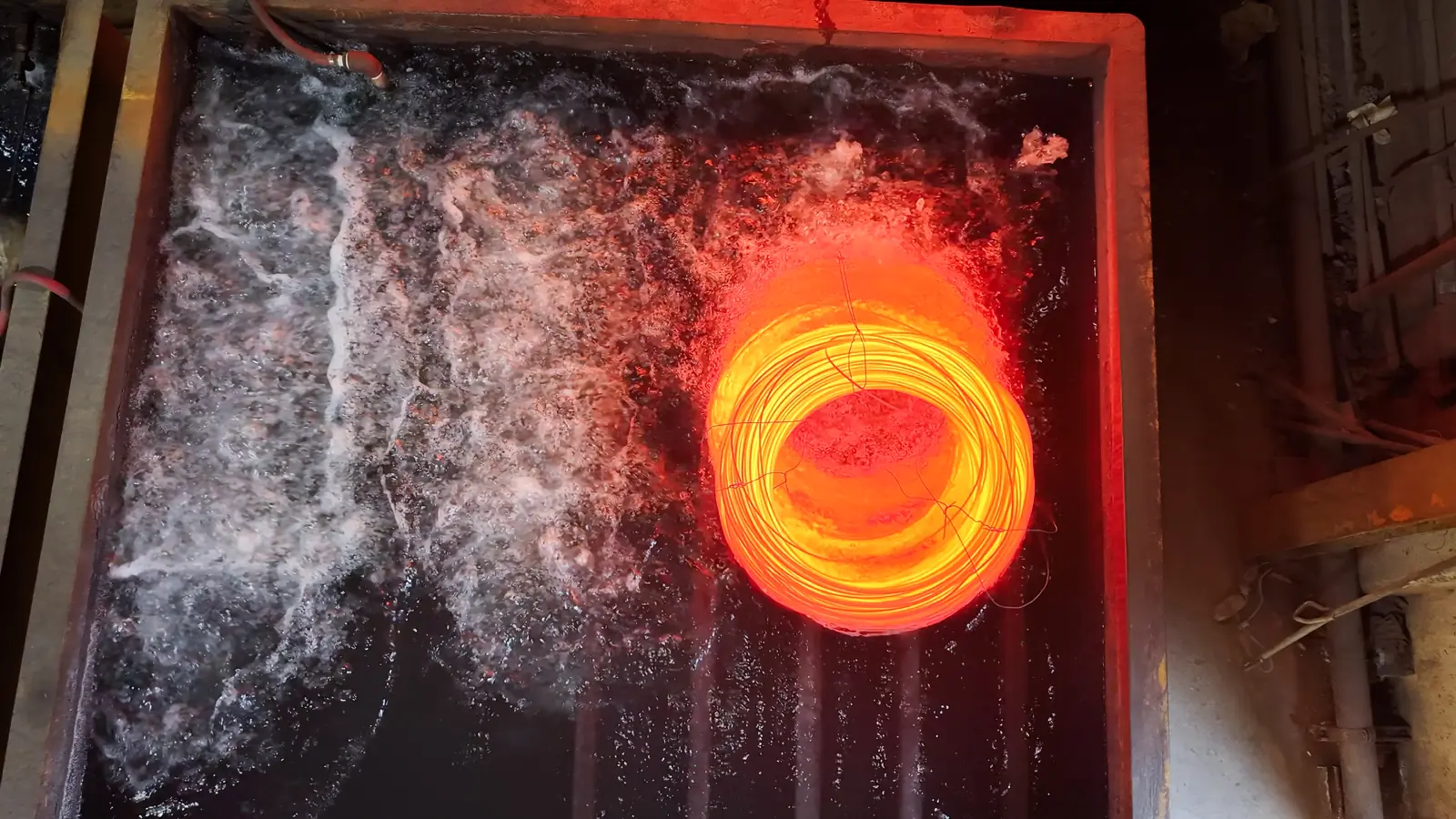
Why the Wire Surface Matters
Have you ever counted how many companies touch a fastener before it exists? One continuous surface runs through all of it, and the coating on that surface decides more than a purchase order line suggests.
Read More